
El alimento representa el mayor costo de producción en la avicultura; sin embargo, los problemas comunes relacionados con la estructura física y los sistemas de distribución de la alimentación avícola suelen afectar el rendimiento de la parvada. Comprender estos errores en la alimentación avícola ayuda a los productores a maximizar la rentabilidad y a mejorar el bienestar de las aves.
Problemas con la forma de alimentación y las partículas
Un error crítico en la nutrición de los pollos se relaciona con la estructura de las partículas del alimento. Las investigaciones demuestran que el exceso de finos en el alimento desmenuzado reduce significativamente la ingesta (Idan et al., 2023). Cuando los pollos de engorde encuentran más del 9 % de finos, consumen selectivamente partículas más grandes y desperdician las más pequeñas, lo que genera desequilibrios nutricionales que comprometen la uniformidad (Idan et al., 2023). Para minimizar los efectos de este error común en la alimentación de los pollos , el índice de durabilidad de los pellets para pollos de engorde debe ser superior al 80 % (Anitox, 2024).
La mala calidad de los pellets crea problemas en cascada. Las aves rascan los comederos buscando pellets intactos, dejando partículas finas para las aves más pequeñas, que luego reciben una nutrición inadecuada (Anitox, 2024). Usando un La báscula avícola automática BAT2 Connect revela estos problemas de uniformidad a través de un mayor coeficiente de variación en los pesos semanales, lo que indica problemas en la estructura del alimento antes de que afecten gravemente la producción.
Errores de distribución y espacio de alimentación
problemas más comunes de alimentación en las aves . Cobb recomienda un mínimo de 15 cm de comedero de cadena por hembra; sin embargo, el hacinamiento sigue siendo común. El acceso inadecuado obliga a las aves subordinadas a esperar, lo que reduce el consumo y genera poca uniformidad. Las investigaciones demuestran que una distribución desigual del alimento en menos de tres minutos mejora el consumo en comparación con tiempos de entrega prolongados (Cobb, 2018).
La altura incorrecta del comedero causa un desperdicio significativo. Colocar los comederos a la altura de la espalda de las aves reduce los derrames y garantiza técnicas adecuadas de alimentación (Cobb, 2018). Galosi et al. (2023) descubrieron que la iluminación de los comederos mejoró los patrones de distribución y la uniformidad en un 75%, lo que demuestra cómo modificaciones sencillas mejoran el comportamiento alimentario.
Errores de almacenamiento y frescura
Prevenir problemas nutricionales en las aves de corral también implica abordar las condiciones de almacenamiento. El alimento almacenado durante más de cuatro semanas pierde su potencial vitamínico y se vuelve desagradable (Bivatec, 2024). Los niveles de humedad superiores al 14 % promueven el crecimiento de moho, con especies de Aspergillus y Fusarium que contaminan el alimento almacenado incluso cuando son invisibles (Magan, 2022). El almacenamiento adecuado en lugares frescos y secos con temperaturas constantes previene estos problemas nutricionales en las aves de corral .
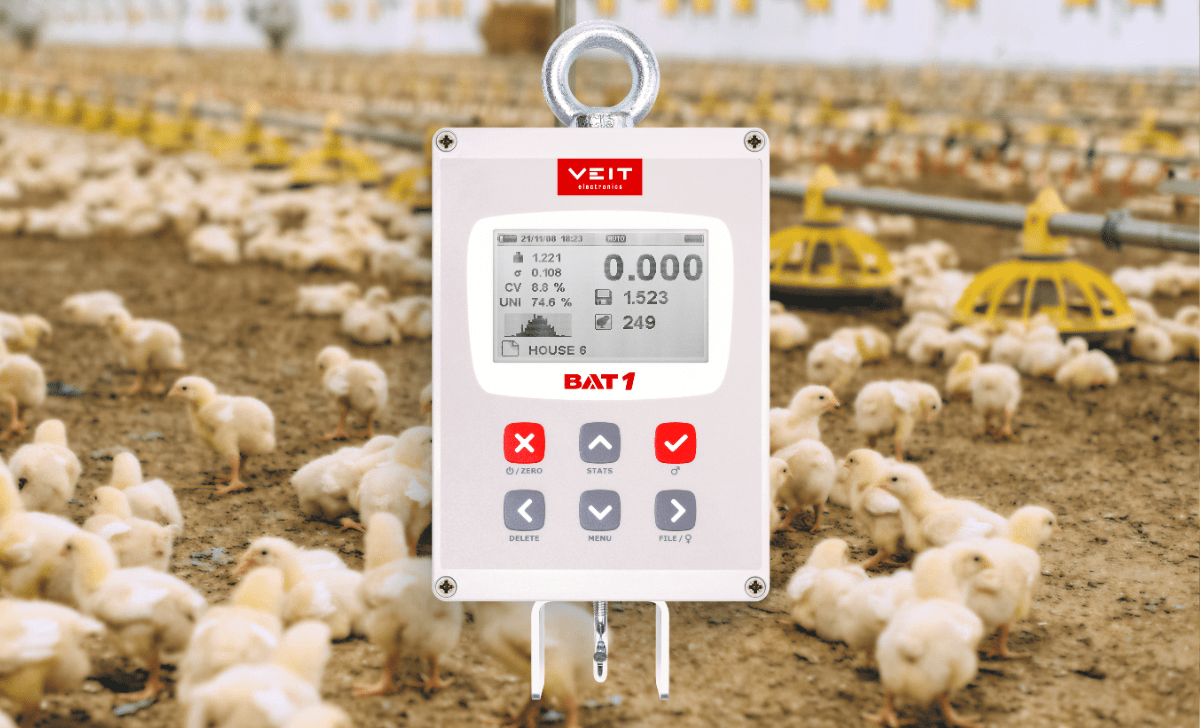
Las fluctuaciones de temperatura crean condensación dentro de los contenedores de almacenamiento, lo que acelera el deterioro (Backyard Poultry, 2025). Elevar los contenedores de alimento del piso de concreto e implementar la rotación de „primero en entrar, primero en salir“ mantiene la frescura (Bivatec, 2024). Monitoreo regular con Las básculas manuales para aves de corral BAT1 ayudan a identificar desaceleraciones del crecimiento que indican un consumo de alimento rancio o contaminado.
Problemas de acceso al agua y horarios de alimentación
La privación de agua representa un error crítico en la alimentación de las aves . Las aves consumen aproximadamente el doble de agua que de alimento, y el acceso inadecuado reduce inmediatamente la ingesta de alimento (Fowler, 2024). El mal funcionamiento de los bebederos o la falta de espacio en ellos durante el pico de celo provoca desnutrición en las aves, que los ajustes manuales de la alimentación no pueden corregir.
Los horarios de alimentación inconsistentes estresan a las parvadas y reducen su eficiencia. Noll (2020) señala que la irregularidad en los horarios de comida provoca que las aves consuman en exceso cuando llega el alimento, lo que provoca problemas digestivos y desperdicio de alimento. Establecer horarios de alimentación regulares dos veces al día promueve patrones de consumo constantes, esenciales para las mejores prácticas de alimentación de los pollos .
Gestión de residuos de piensos
El desperdicio excesivo de alimento debido a sistemas de alimentación mal gestionados supone un coste considerable para los productores. La revista Canadian Poultry Magazine (2022) informa que la segregación de partículas en los alimentos en harina fomenta el consumo selectivo, con un tamaño medio de partícula óptimo entre 1000 y 1100 micras para minimizar la clasificación y favorecer el desarrollo de la molleja.
La sobrealimentación de las gallinas mediante una formulación o administración incorrecta genera desperdicio adicional. Distribuir más alimento del que consumen las reproductoras o las pollitas en 15 a 20 minutos fomenta el deterioro y atrae plagas (Extensión Avícola, 2024). Monitorear la eficiencia del consumo mediante Los datos de la plataforma BAT Cloud ayudan a identificar asignaciones excesivas de alimento antes de que afecten la rentabilidad.
Soluciones de monitoreo
Identificar errores en la alimentación de las aves y determinar soluciones requiere un monitoreo sistemático. El seguimiento del peso revela problemas nutricionales antes de que se vuelvan irreversibles. Implementar pesajes regulares con básculas avícolas especializadas permite detectar tempranamente fallas en el sistema de alimentación, lo que permite correcciones oportunas que protegen tanto el bienestar de las aves como la economía de la producción.
Comprender estas técnicas adecuadas de alimentación de pollos transforma la alimentación de una tarea rutinaria en una ventaja estratégica. Abordar las características físicas del alimento, los métodos de distribución y las condiciones de almacenamiento previene los fallos nutricionales más comunes, lo que contribuye al rendimiento y la rentabilidad óptimos de la parvada.
Referencias:
Anitox. (2024). Impacts of inadequate moisture management in feed milling. https://www.anitox.com/news/impacts-of-inadequate-moisture-management-in-feed-milling
Backyard Poultry. (2025). How to avoid chicken feed storage mistakes. https://backyardpoultry.iamcountryside.com/feed-health/how-to-avoid-chicken-feed-storage-mistakes/
Bivatec. (2024). Chicken feed storage: Best practices for farmers. https://www.bivatec.com/blog/best-practices-for-chicken-feed-storage
Canadian Poultry Magazine. (2022). Minimizing feed wastage. https://www.canadianpoultrymag.com/feed-wastage/
Cobb-Vantress. (2018). Breeder management guide. https://www.cobb-vantress.com/
Fowler, J.C. (2024). Nutrition for the backyard flock. University of Georgia Cooperative Extension. https://extension.uga.edu/publications/detail.html?number=C954
Galosi, L., Falconi, R., Biagini, L., Corrales Barrios, Y., & Roncarati, A. (2023). LED light applied to the feeder: Impact on growth performances of chickens under productive conditions. Veterinary Sciences, 10, 306. https://doi.org/10.3390/vetsci10040306
Idan, F., Paulk, C., Beyer, S., & Stark, C. (2023). Effects of pellet diameter and crumble size on the growth performance and relative gizzard weight of broilers. Journal of Applied Poultry Research, 32, 100331. https://doi.org/10.1016/j.japr.2023.100331
Magan, N. (2022). Feed preservatives for mould and mycotoxins control. MycotoxinSite. https://mycotoxinsite.com/feed-preservatives-for-mould-and-mycotoxins-control-are-they-resilient-enough/
Noll, S. (2020). How to avoid nutritional deficiencies in your flock. Hobby Farms. https://www.hobbyfarms.com/chickens-feeding-avoid-deficient-nutrients-flock/
Poultry Extension. (2024). Feeding chickens for egg production in small and backyard flocks. https://poultry.extension.org/articles/feeds-and-feeding-of-poultry/feeding-chickens-for-egg-production/