
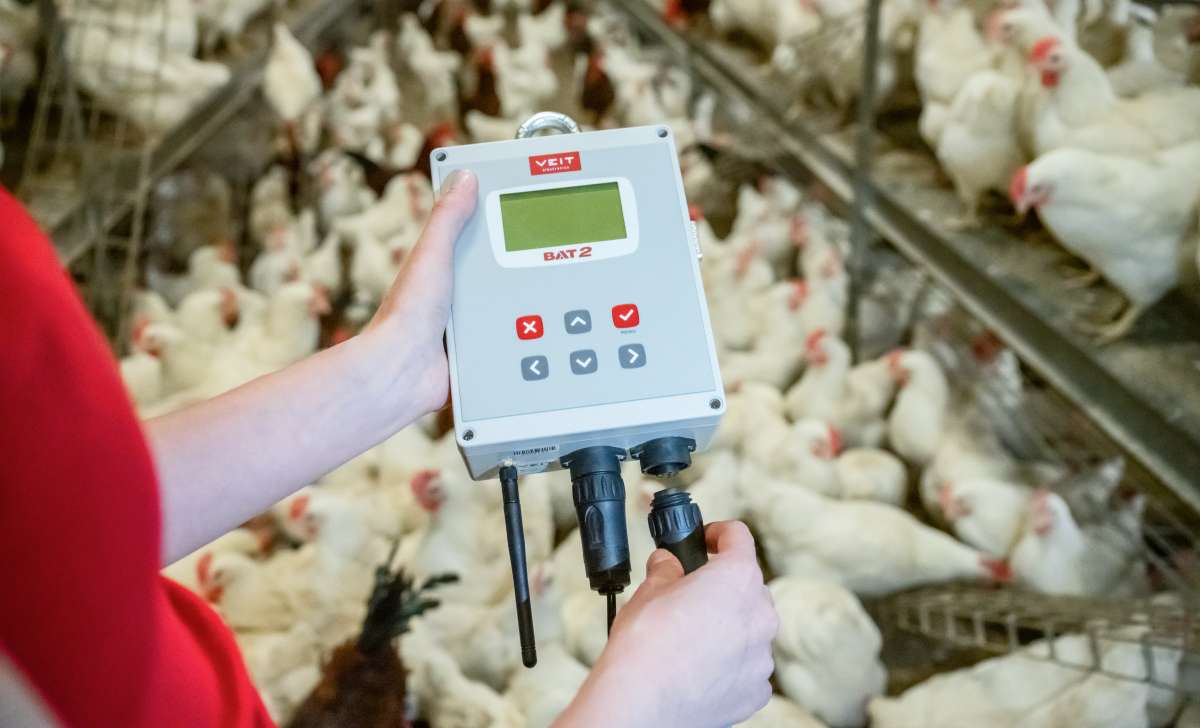
Seasonal challenges in poultry production rarely arrive without warning. The warning, more often than not, is already present in weight records from previous flocks. Producers who collect, store, and compare weight data systematically are better positioned to anticipate recurring problems, respond to emerging ones, and measure whether their management decisions are actually working.
Why flock weight comparisons reveal more than single-flock data
A single set of weight records tells you how one flock performed. A sequence of records tells you how your operation performs across time, across seasons, and across management changes. The key metrics that make this comparison meaningful are daily growth curves, which show how birds develop at each stage of the production cycle, flock uniformity, which reflects how evenly that development is distributed across the house, and the coefficient of variation, which can surface early indicators of health or management stress before they become visible problems.
Tracking these figures in isolation has limited value. Their diagnostic power increases when current data is placed alongside historical data from equivalent stages in previous flocks.
Seasonal patterns and what past records make visible
Seasonal effects on broiler growth are well established. Heat stress in summer and ventilation challenges in winter create recurring conditions that affect feed intake, growth rate, and flock uniformity in predictable ways. The difficulty is that producers without reliable historical records are left to respond to these effects rather than prepare for them.
Weight data collected over multiple production cycles makes these patterns visible. If growth curves consistently flatten at a particular week during summer flocks, or if CV figures deteriorate at the same point each winter, that pattern becomes actionable. Producers can adjust stocking density, ventilation strategy, feeding programmes, or other variables in advance rather than reacting after performance has already declined.
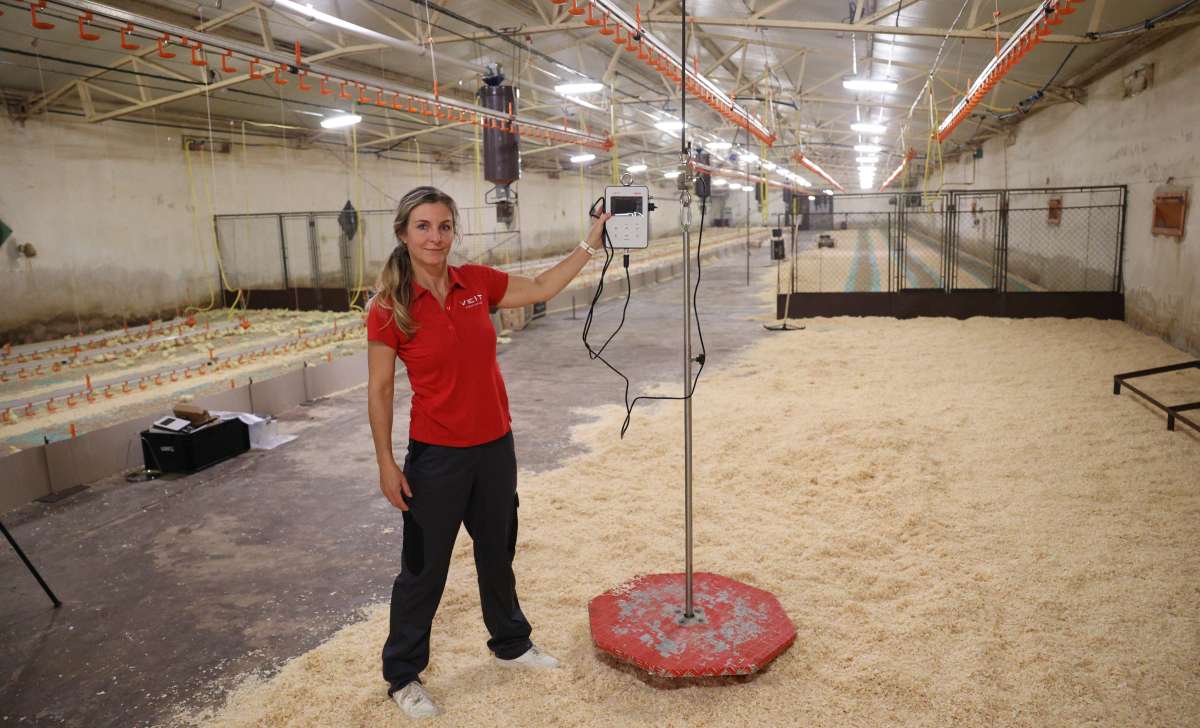
Early detection and the value of acting before symptoms appear
Weight changes frequently precede visible signs of disease or stress. A flock that is beginning to experience a health challenge will often show it first as a deviation from the expected growth curve, a widening CV, or a drop in uniformity, before clinical signs are apparent to stockpeople carrying out routine observations. Regular, timestamped weight records create a data trail that makes these deviations detectable early.
Early detection narrows the intervention window and reduces the cost of that intervention. Birds treated or managed at the first sign of a weight deviation have better outcomes than those managed once a problem has progressed. The same principle applies to stress events: a temperature spike that affects feed intake will show up in weight data before it manifests as mortality or condemned birds at slaughter.
Accurate historical records also serve a third function: they provide an objective basis for evaluating management changes. When a new feeding programme, ventilation schedule, or biosecurity measure is introduced, weight data from comparable flocks run under previous conditions makes it possible to assess whether the change produced a measurable improvement, rather than relying on subjective judgement.
Sources
[General knowledge fill — please verify: no peer-reviewed sources were cited in the original post. The claims made are consistent with established poultry science literature on weight monitoring, CV as a welfare and health indicator, and seasonal effects on broiler performance, but no specific studies were referenced and none have been added here.]